




- NYCU and TSMC Expand Semiconductor Talent Development Through Summer Courses
- Together Toward Infinite Possibilities: NYCU Celebrates the Class of 2026
- NYCU Student Team Reaches Finals at Singapore Autonomous Underwater Vehicle Challenge
- NYCU Patents Smart Surface Technology to Eliminate Signal Dead Zones
- NYCU Publishes PlayChip, Bringing Taiwan’s AI-Semiconductor Education Model to the World
NYCU International Symposium Explores How Future Medicine Will Be Built
(中央社訊息服務20260618 12:17:25)Medical breakthroughs are only part of the equation. The future of healthcare will also depend on how effectively discoveries can be translated into benefits for patients and society.
As healthcare faces challenges ranging from aging populations and climate change to the rapid rise of artificial intelligence, solving them will require expertise that extends beyond traditional disciplinary boundaries.
At the 2026 NYCU College of Medicine International Symposium: A New Ecosystem for Medical Research, nearly 200 scholars, clinicians, researchers, and students gathered to examine how emerging technologies, interdisciplinary research, and global partnerships are reshaping the future of healthcare.
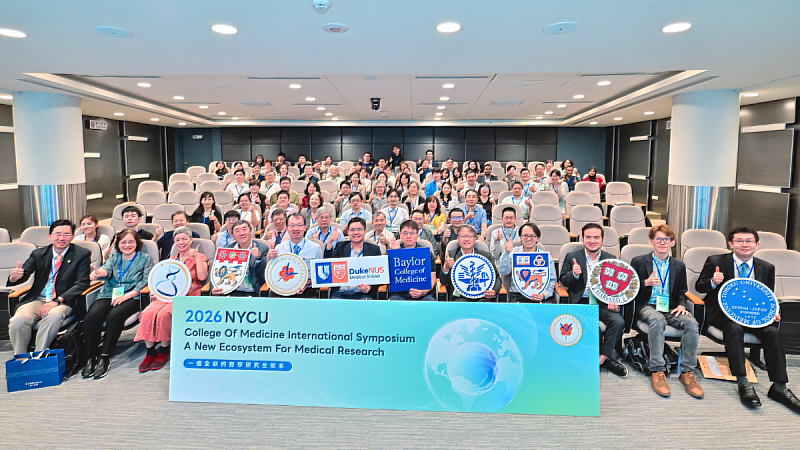
According to NYCU College of Medicine Dean Shuu-Jiun Wang, the symposium reflects a growing recognition that future healthcare challenges cannot be addressed through a single discipline alone.
“The merger that formed NYCU created a unique opportunity to bring together medicine, biology, engineering, data science, and semiconductor technologies,” Wang said. “Our goal is to create an environment where expertise from different fields can converge to address increasingly complex health challenges.”
Reflecting this vision, the symposium focused on three themes: aging and neurodegenerative diseases, public health and smart healthcare, and AI-enabled medicine.
Discussions throughout the symposium highlighted the challenge of moving medical innovation from research findings to patient care.
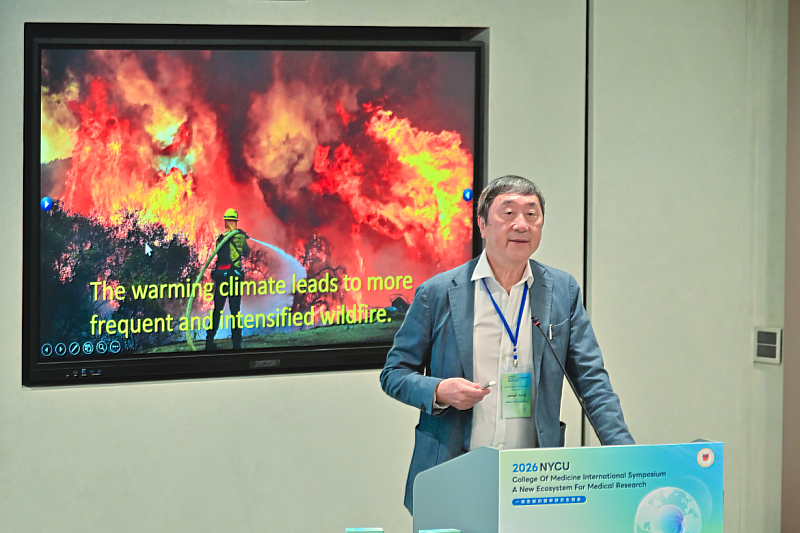
Professor Joseph J. Y. Sung, Senior Vice President (Health & Life Sciences) and Dean of the Lee Kong Chian School of Medicine at Nanyang Technological University in Singapore, highlighted the growing importance of environmental health research. In his keynote address, “Environmental Health: A New Frontier,” Sung emphasized that while genetics has transformed biomedical science, environmental factors—including climate change, air pollution, diet, and social conditions—remain powerful influences on human health.
“Climate change is a real problem, and it is coming very quickly,” Sung said. “We need to better understand how environmental hazards contribute to human diseases and how we can prevent them.”
He also pointed to the growing role of artificial intelligence in analyzing large-scale environmental data, enabling researchers to identify emerging risks and develop prevention strategies earlier.
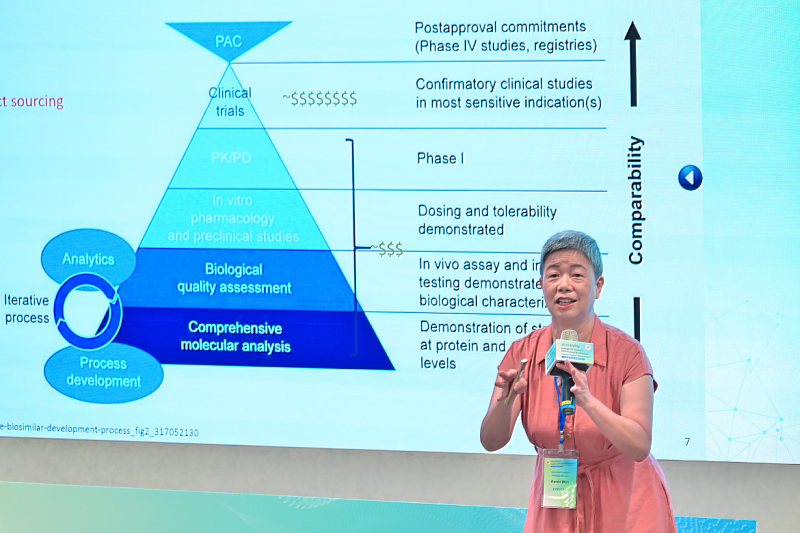
The symposium’s second keynote speaker, Dr. Karen Wen, Chief Operating Officer and Chief Strategy Officer of GenomeFrontier Therapeutics, addressed the complex pathway from biomedical discovery to clinical application.
Drawing on decades of experience in biotechnology development, Wen discussed the challenges of translating scientific discoveries into approved therapies, highlighting Taiwan’s progress in biologics and CAR-T cell treatments.
She emphasized that meaningful innovation requires close collaboration among researchers, healthcare providers, regulators, and industry partners to move discoveries from the laboratory to clinical practice.
Together, the keynote speakers highlighted a central challenge facing modern medicine: understanding the causes of disease while ensuring that scientific discoveries ultimately reach patients.
Across keynote lectures, panel discussions, and networking sessions, participants explored topics ranging from neurodegenerative diseases and healthy aging to AI-assisted healthcare, digital health technologies, and precision medicine.
Beyond scientific discussions, the symposium also fostered dialogue on future collaborations. Participants from academia, healthcare institutions, and industry exchanged perspectives on joint research initiatives, academic exchanges, and emerging partnership opportunities.
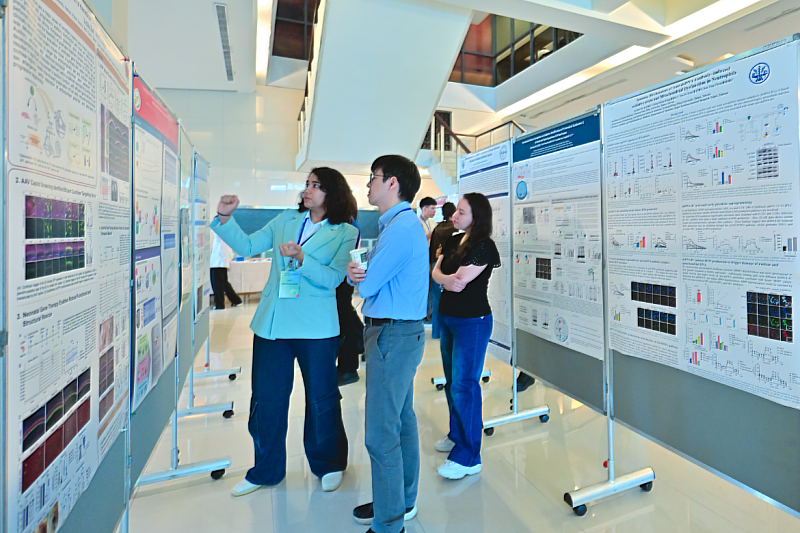
The symposium also highlighted emerging scientific talent through a student poster competition featuring 75 research projects spanning cancer and immunology, neuroscience, aging, public health, bioinformatics, environmental health, and traditional medicine.
Undergraduate, master’s, and doctoral students presented their findings and engaged directly with international scholars and experts.
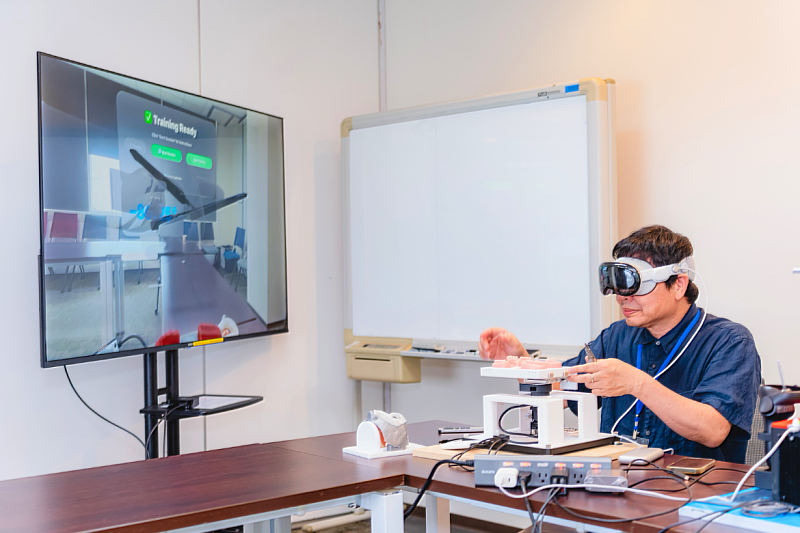
Participants also experienced virtual reality–based physiology and surgical simulations, demonstrating how emerging technologies are reshaping medical education and research training.
As medicine continues to evolve amid AI, environmental change, and technological convergence, NYCU remains committed to leveraging its unique strengths in medicine, engineering, data science, and emerging technologies to address future healthcare challenges.
The symposium underscored a central message: the future of healthcare will depend on building ecosystems that connect discovery, innovation, education, and patient care.